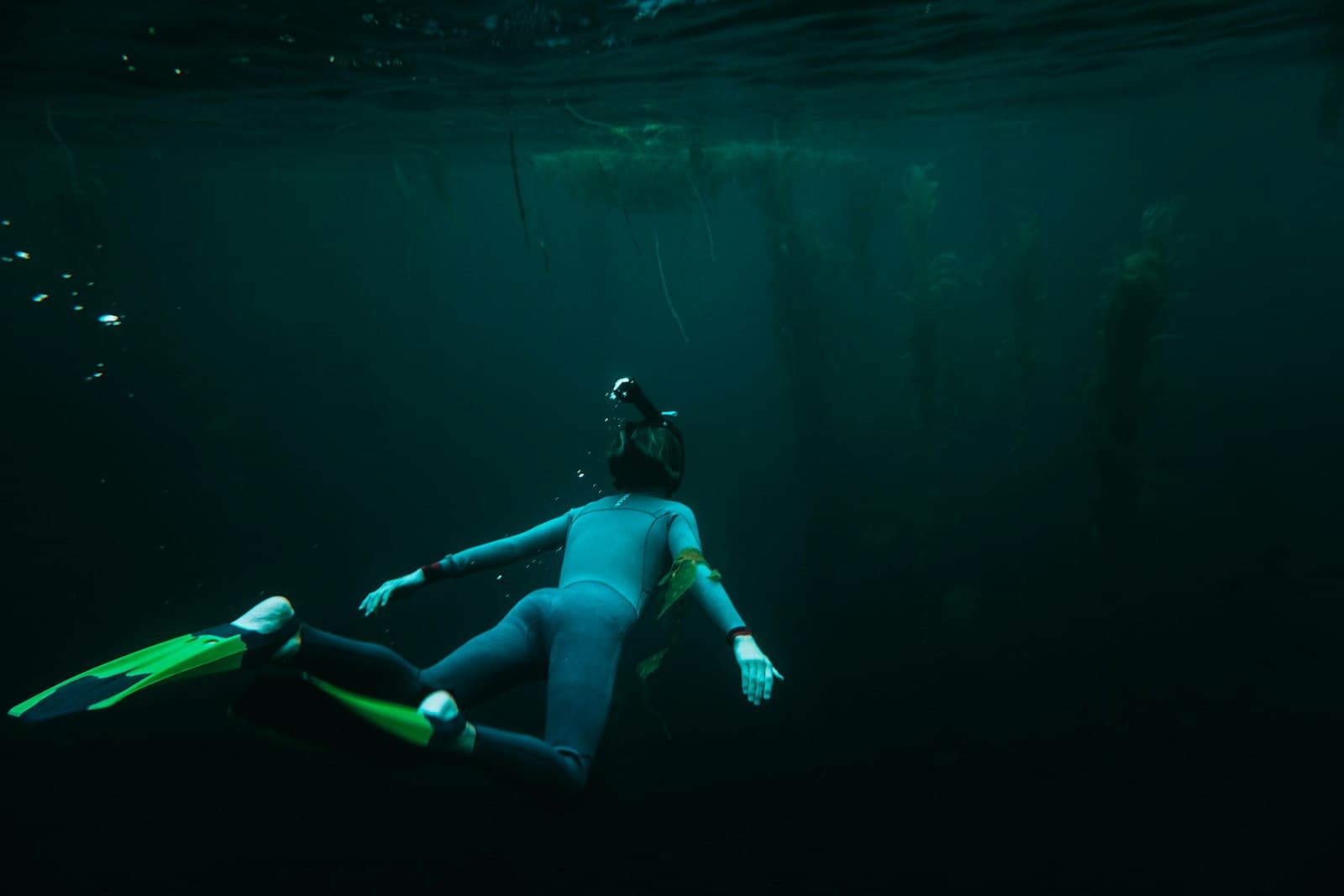
Freediving Wetsuit Guide: How to Choose the Right Suit
Your wetsuit is the second most important piece of freediving equipment after your fins. The right suit keeps you warm, streamlined, and flexible — the wrong one saps your energy, restricts your breathing, and cuts your dive time short. This guide covers everything you need to know to choose the right freediving wetsuit.
Freediving Wetsuits vs Surfing/Scuba Wetsuits
Freediving wetsuits are purpose-built and differ from surfing or scuba suits in several important ways:
Flexibility: Freediving suits use softer, more elastic neoprene that allows full chest expansion for deep breathing and unrestricted arm movement for finning.
Compression resistance: The neoprene is designed to maintain its insulating properties under pressure at depth, where standard suits compress and lose warmth.
Hydrodynamics: Smooth outer skins and minimal seams reduce drag during descent and ascent.
Two-piece design: Most freediving suits are two pieces (high-waist pants and a jacket with built-in hood) for a better fit and easier donning.
No zippers: Zippers create cold spots, restrict flexibility, and add drag. Freediving suits typically use open-cell interiors that grip the skin directly.
Using a surfing or scuba wetsuit for freediving is possible for casual use but will noticeably restrict your breathing and movement.
Open-Cell vs Closed-Cell Neoprene
Open-Cell (Unlined Interior)
The interior of the neoprene has exposed cells that suction directly to your skin. This is the standard for serious freediving:
Pros: Superior warmth (no water layer between skin and neoprene), excellent flexibility, no lining to restrict movement
Cons: Fragile — tears easily if you pull it on dry or snag it. Requires lubrication (soapy water or conditioner) to put on. More expensive.
Closed-Cell (Lined Interior)
The interior is lined with fabric (nylon or similar):
Pros: Durable, easy to put on dry, more forgiving with fit, cheaper
Cons: Less warm (water circulates in the lining), slightly less flexible, heavier
For recreational freediving in warm water, a lined suit is perfectly fine. For serious depth training, cold water, or competition, open-cell is the standard.
Thickness Guide
Wetsuit thickness determines warmth. The right thickness depends on your water temperature:
28°C+ (tropical): 1–1.5 mm or a rash guard. Many freedivers go suitless in warm tropical water.
22–28°C (warm temperate): 2–3 mm. Comfortable for most people for 1–2 hour sessions.
16–22°C (cool temperate): 3–5 mm. This covers most of southern Australia, the Mediterranean, and similar climates. Read our cold water freediving guide.
10–16°C (cold): 5–7 mm. UK, northern Europe, and southern Australia in winter.
Below 10°C: 7 mm+ with hood, gloves, and boots. Dedicated cold water setup essential.
Remember that neoprene compresses at depth, so a 5 mm suit becomes roughly 2.5 mm effective thickness at 20 metres. If you're diving deep in cold water, err on the thicker side.
Fit: The Most Important Factor
A poorly fitting wetsuit is worse than a thinner, well-fitting one. Here's what to look for:
No gaps: The suit should contact your skin everywhere, especially around the neck, wrists, ankles, and lower back. Gaps let cold water flush through.
No restriction: You should be able to take a full diaphragmatic breath without the suit compressing your chest. Bend, squat, and simulate finning in the shop.
Smooth overlap: The two-piece design should overlap by at least 10–15 cm at the waist. The beaver tail (crotch strap) on the jacket prevents it from riding up.
Hood fit: Snug around the face without pressing on the ears or restricting jaw movement (you need jaw mobility for equalization).
Many experienced freedivers order custom-made suits, which are surprisingly affordable ($300–$500 from specialist manufacturers) and infinitely better fitting than off-the-rack.
Buoyancy and Weighting
Neoprene is buoyant. The thicker your suit, the more lead weight you'll need on your belt to achieve neutral buoyancy. This matters because:
More weight = more energy to descend and ascend
Neoprene compresses at depth, reducing buoyancy — so you become negatively buoyant faster in a thick suit
The ideal setup has you neutrally buoyant at roughly 10–15 metres for recreational depths
A thinner suit means less weight, which means less energy expenditure and longer dive times. This is one reason competitive freedivers use the thinnest suit they can tolerate.
Care and Maintenance
Rinse after every use in fresh water. Salt accelerates neoprene degradation.
Dry in the shade. UV breaks down neoprene — never leave your suit in direct sun.
Store flat or on a wide hanger. Thin hangers create permanent creases.
For open-cell suits: store inside-out so the open cell doesn't stick to itself. Use talcum powder or a light spray of silicone.
Patch tears promptly with neoprene cement. Small tears spread quickly if left.
A well-maintained freediving wetsuit lasts 2–4 years with regular use. Open-cell suits tend to need replacing sooner than lined suits due to the fragile interior.
Recommended Brands
The freediving wetsuit market has grown significantly. Some well-regarded brands include:
Elios — Italian, custom-fit, excellent open-cell suits
Omer — Wide range from entry-level to competition
Molchanovs — Premium suits from the freediving brand
Yamamoto — Japanese neoprene supplier used by many top manufacturers (45, 38, 39 grades)
Beuchat — French, long heritage in dive equipment
Cressi — Good entry-level options at reasonable prices
If you're buying your first dedicated freediving suit, start with a mid-range lined suit in the right thickness for your local water. Upgrade to open-cell custom when you know your preferences and dive regularly.
📚 Educational Content Only: This guide is for educational purposes and does not replace professional freediving instruction. Before attempting any breath-hold training, equalization techniques, or depth diving, you must complete a certified freediving course with a qualified instructor (AIDA, PADI, SSI, Molchanovs, or FII). Never practice breath-holding in water without a trained safety buddy present.
Bottom Line
The right wetsuit makes a meaningful difference to your comfort, warmth, and performance in the water. Prioritise fit above all else, choose the right thickness for your water temperature, and consider an open-cell suit when you're diving regularly enough to justify the investment. Combined with the right fins, a well-fitted wetsuit transforms your time in the water.
Planning to dive in colder water? Read our guide to cold water freediving safety.