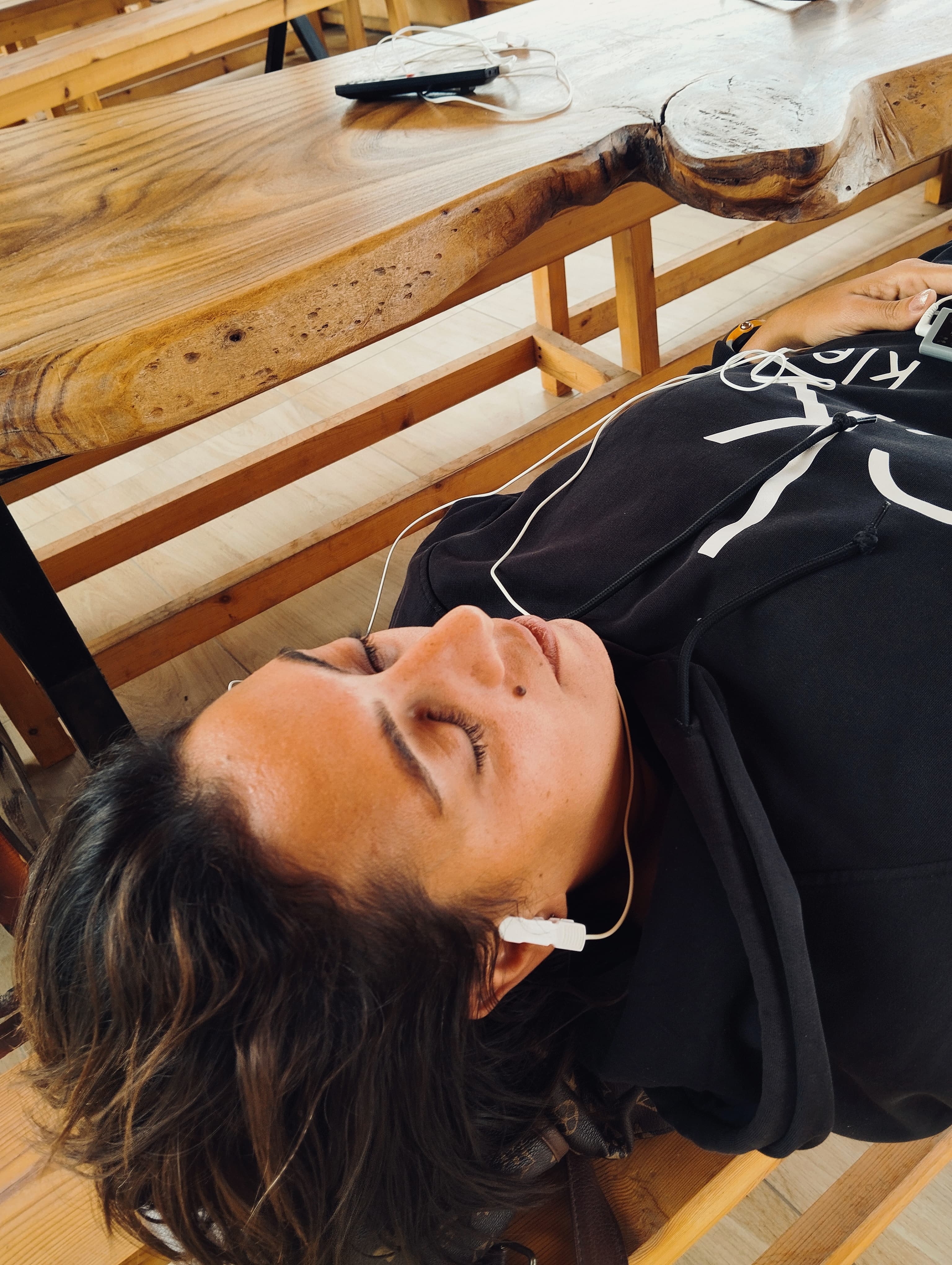
Vagus Nerve Stimulation for Freediving Training
Transcutaneous electrical vagus nerve stimulation is a novel self-regulation and recovery method that involves delivering mild electric impulses through the skin to the main nerve of the parasympathetic nervous system, the vagus.
I learned this method for my chronic condition to reduce stress and inflammation and was so impressed that continued studying scientific literature about it. After successfully using transcutaneous vagus nerve stimulation (tVNS) for two years, I realized that its effects are of interest to freedivers and gave my first classes in Dahab. At my events, I talked about the confirmed benefits of tVNS that would interest freedivers and demonstrated the method, letting the attendees try it for themselves right there.
I will talk about my events below, but first, will discuss the effects of tVNS that are relevant to freedivers.
tVNS Effects Beneficial to Freedivers
The method has not been examined for freediving, but some research has been done in connection to sports. It appears that the most studied and pronounced benefit of tVNS for freedivers is faster and more efficient recovery.
In 2023, a study conducted in Turkey investigated the effects of tVNS on recovery after cycling. There were 90 participants in the experiment. tVNS was found to be effective in reducing fatigue and pain after training. Its restorative effect has been confirmed in other areas of its application.
tVNS accelerates recovery after physical exertion by activating the parasympathetic system. In 2024, it was shown to promote faster reduction in heart rate and normalization of breathing after aerobic exercise.
Importantly, it reduces inflammation, which contributes to quicker return to training. tVNS has been shown to increase heart rate variability, a key marker of recovery and resilience to stress.
It has been recently confirmed that vagus nerve stimulation can enhance physical performance. A study was published in 2025, where tVNS was demonstrated to increase exercise capacity in healthy people. It was a randomized, double-blind, crossover study with a control group that received placebo stimulation. 28 healthy individuals received transcutaneous auricular vagus nerve stimulation for 7 days, 30 minutes daily. The researchers then assessed their exercise capacity using a maximal oxygen consumption test during progressive exercise to exhaustion. Heart rate, respiration, and blood inflammatory markers were also measured. The stimulation group showed a small but noticeable improvement in physical endurance, while the placebo group showed no changes. Such an increase in endurance is considered moderate in sports, but it can provide a tangible benefit for people who train regularly or seek to improve performance. Participants who received stimulation demonstrated higher work output, increased heart rate and respiration at peak load. Blood analysis also revealed a reduction in inflammatory response, indicating potential anti-inflammatory effects of stimulation.
In the review published in 2025 transcutaneous auricular vagus-nerve stimulation was found to promote faster post-exercise recovery, sharper executive function under pressure and improved cognitive resilience. tVNS can enhance flow states, a mental zone elite athletes seek because it maximizes focus, efficiency and peak performance under pressure.
Non-invasive transcutaneous vagus nerve stimulation is considered safe, portable, and suitable for both recreational and elite athletes. It can improve performance and accelerate recovery while reducing stress, helping to relax and enter the flow state. tVNS can be integrated into training routines alongside other vagal-enhancing practices such as HRV biofeedback and controlled breathing.
Furthermore, the vagus nerve supplies nerve fibres to the soft palate, root of the tongue and epiglottis. It helps us coordinate breathing, swallowing and speech. Combined with training, tVNS may improve the motor control of the pharynx and hence enhance the equalisation skill.
Freedivers in Dahab Trying Vagus Nerve Stimulation
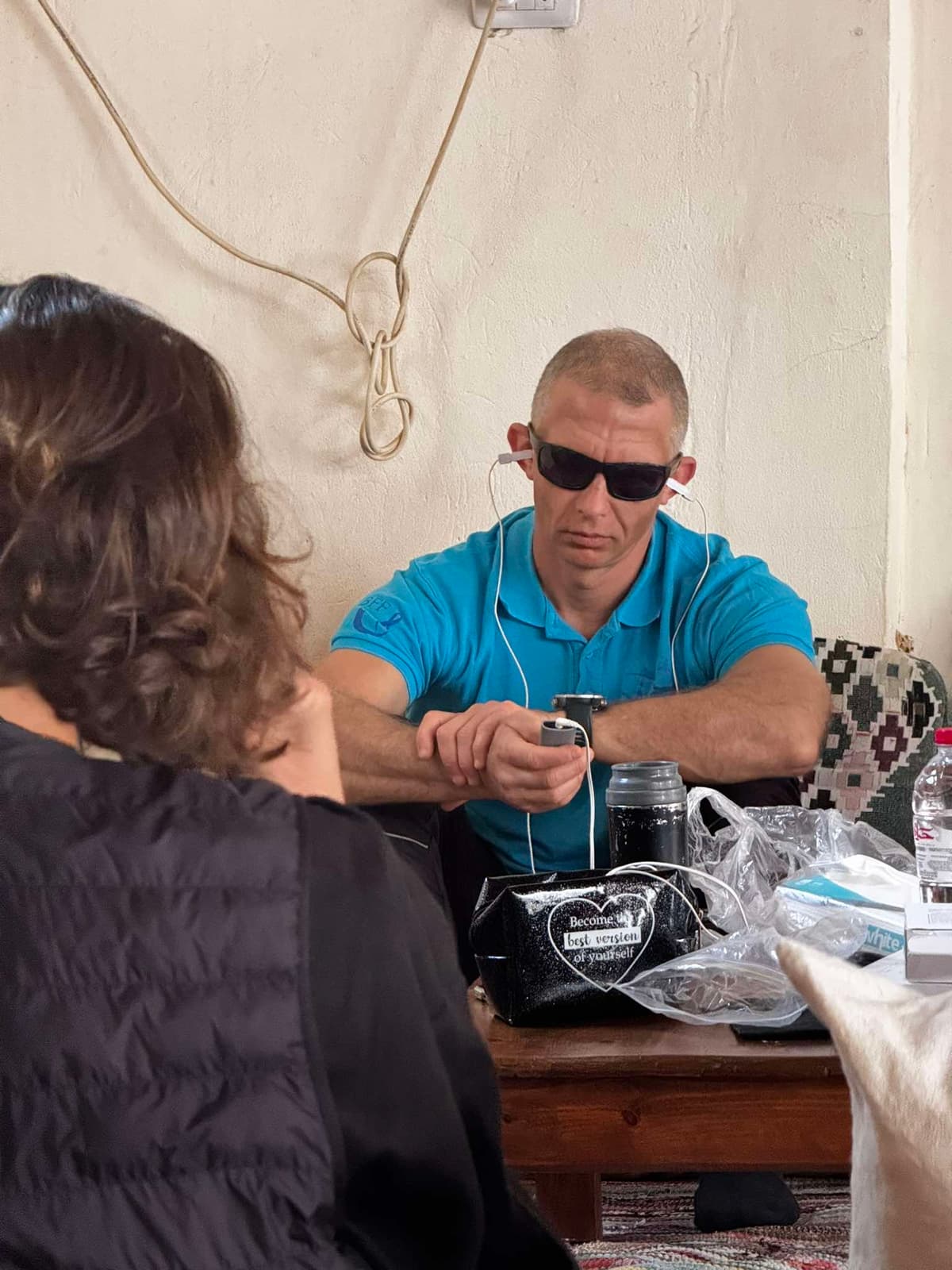
At my events in Dahab, I had two stimulators with me, and two people at a time could try it, once I warned about tVNS side effects and contraindications. I continued talking in more detail about the vagus nerve itself and various aspects of its electrical stimulation while the participants passed the devices to each other, having used them for about 20 minutes. At the end, I gave some recommendations on how to buy a stimulator which is not a trivial task requiring some knowledge of the market, and answered their questions.
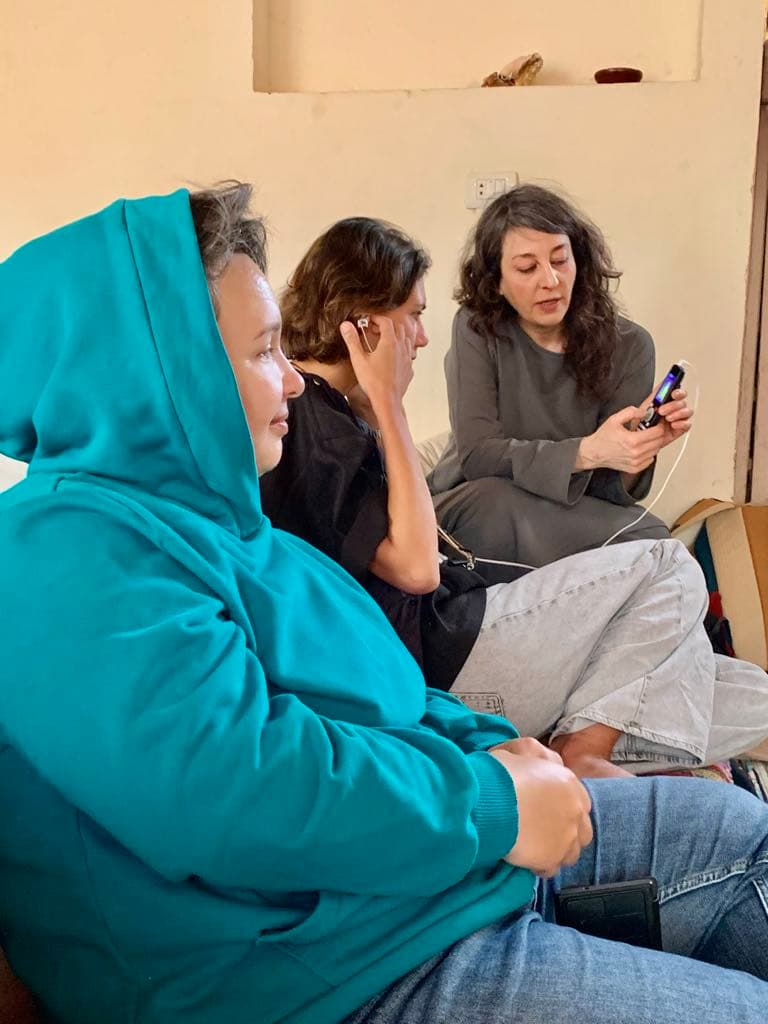
The audience was quite engaged, with many participants eager to share their feedback. Those wearing fitness watches checked their heart rate data: some showed a significant reduction in stress, while others reflected their usual relaxation patterns. Subjective experiences ranged from enthusiastic to more reserved.
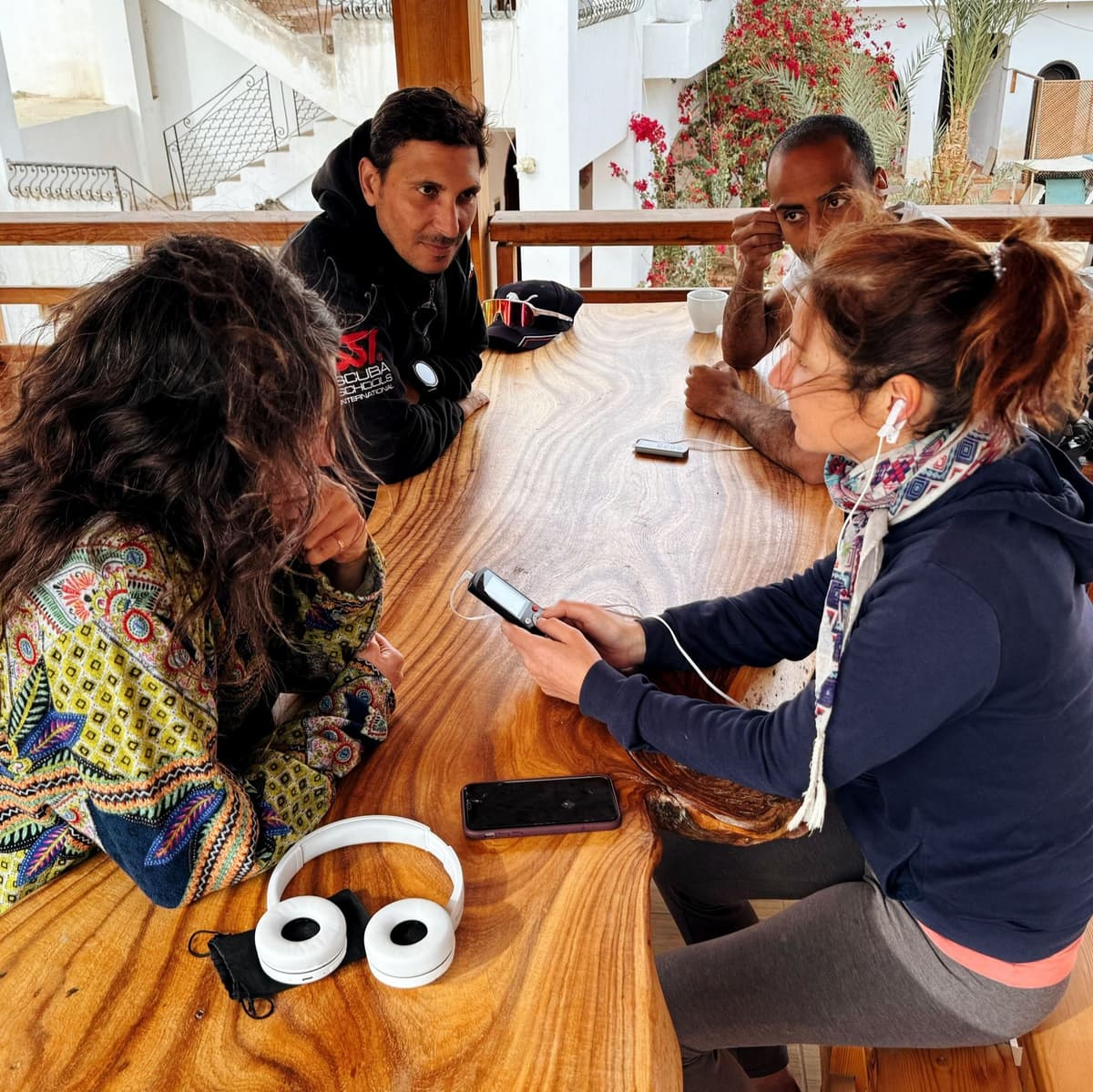
Interestingly, the very first volunteers at my initial event reported no noticeable changes in their state. Yet, subsequent participants consistently described feeling deeply relaxed and rested, supported by their heart rate data. Then the first two volunteers asked to try tVNS again after everyone else, and both reported significant relaxation and a reduction in chronic pain — findings that aligned with published research.
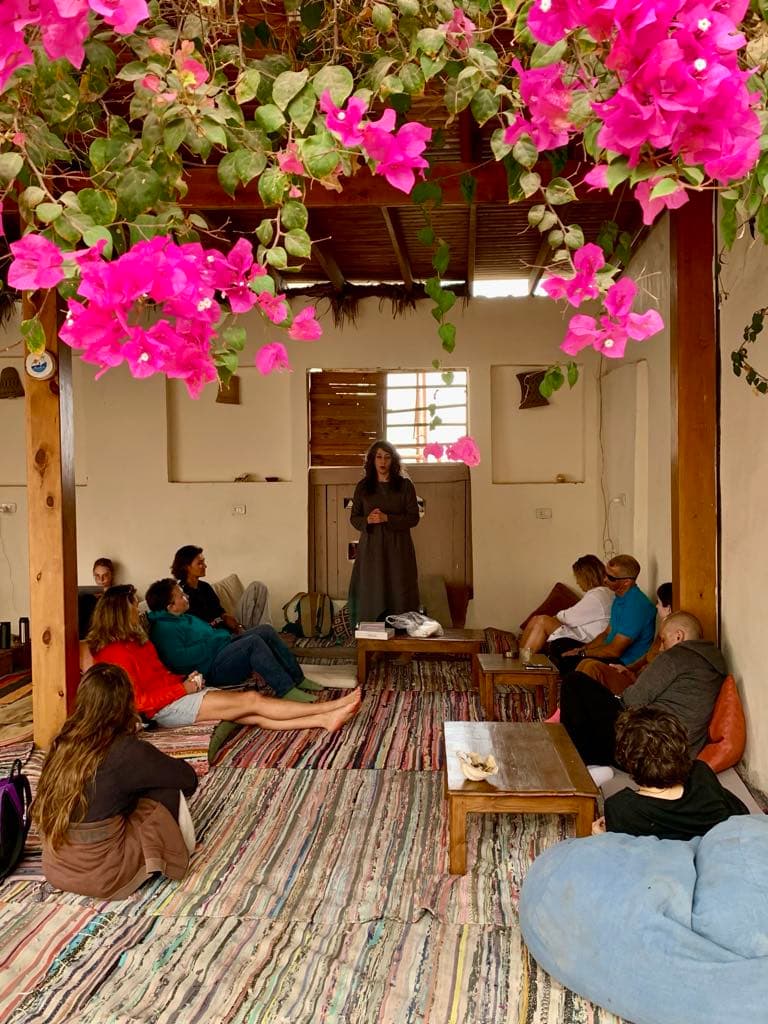
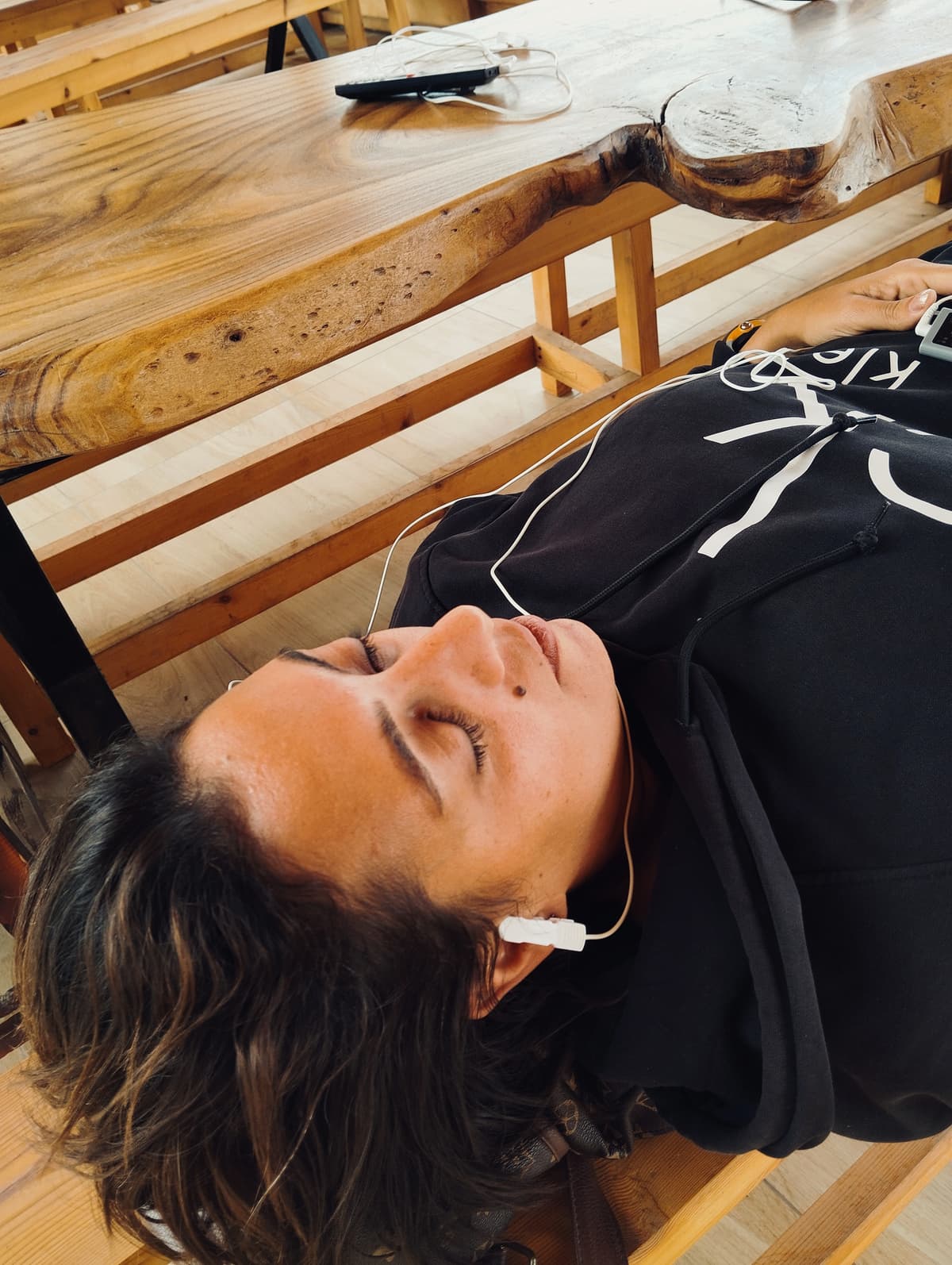
One attendee trained the day after the presentation. They permitted me to share their impression of their first session following stimulation: "It was my easiest dive in three years."
If You'd Like to Learn about tVNS
Later, I gave online events on vagus nerve stimulation for freedivers – also first in English and then in Russian. Both went quite well. I managed to record them, and the recording is available for a token price. You can access it here: https://parasympathy.site/tvsn-for-freedivers-class
I am also open to collaboration with freediving clubs and organisations in holding a new better organised event on vagus nerve stimulation for freedivers. More research has come out since my first classes, and I would happy to share my knowledge and experience.
I also give private consultations on tVNS (https://parasympathy.site/vns-dahab) as well as offer help in finding good and compatible equipment for vagus nerve stimulation – it is not a trivial task that requires knowing some technical details and the state of the market (https://parasympathy.site/vagus-nerve-stimulator-help-ru)
References
Ackland, G. L., Patel, A. B., Miller, S., Thirugnanasambanthar, J., Ravindran, J. I., Schroth, J., Boot, J., Caton, L., Mein, C. A., Abbott, T. E., & Gourine, A. V. (2025). Non-invasive vagus nerve stimulation and exercise capacity in healthy volunteers: A randomized trial. European Heart Journal, 46(17), 1634-1644. https://doi.org/10.1093/eurheartj/ehaf037
Lopez Blanco, C., & Tyler, W. J. (2025). The vagus nerve: A cornerstone for mental health and performance optimization in recreation and elite sports. Frontiers in Psychology, 16, 1639866. https://doi.org/10.3389/fpsyg.2025.1639866
Özden, A. V., Alptekin, H. K., Pehlivanoğlu, B. E., & Ünal, M. (2024). A new method for sportive performance and recovery: Auricular vagus nerve stimulation (Review). BAU Journal of Health and Information, 2(1), Article 3. https://jag.journalagent.com/bauhi/pdfs/BAUH-98608-REVIEW-OZDEN.pdf
Hatik, S. H., Asrlan, M., Demirbilek, Ö., & Özden, A. V. (2023). The effect of transcutaneous auricular vagus nerve stimulation on cycling ergometry and recovery in healthy young individuals. Brain and Behavior, 13(12), e3332. https://doi.org/10.1002/brb3.3332
Lindley, K. (2019). Effect of Transcutaneous Vagus Nerve Stimulation on Sports Performance. ProQuest Dissertations & Theses, Arizona State University.
Güçlüer, E. Ö., Ural, İ. H., Özden, A. V., Alptekin, H. K., & Hatık, S. H. (2024). Effects of Auricular Vagus Nerve Stimulation on Cardio-Respiratory Functions After Aerobic Exercise. International Journal of Disabilities Sports and Health Sciences, 7(3), 494-501. https://doi.org/10.33438/ijdshs.1406505
De Couck, M., Cserjesi, R., Caers, R., Zijlstra, W., Widjaja, D., Wolf, N., Luminet, O., Ellrich, J., & Gidron, Y. (2017). Effects of short and prolonged transcutaneous vagus nerve stimulation on heart rate variability in healthy subjects. Autonomic Neuroscience, 203, 88-96. https://doi.org/10.1016/j.autneu.2016.11.003
Geng, D., Liu, X., Wang, Y., & Wang, J. (2022). The effect of transcutaneous auricular vagus nerve stimulation on HRV in healthy young people. PLOS ONE, 17(2), e0263833. https://doi.org/10.1371/journal.pone.0263833
Clancy, J. A., Mary, D. A., Witte, K. K., Greenwood, J. P., Deuchars, S. A., & Deuchars, J. (2014). Non-invasive Vagus Nerve Stimulation in Healthy Humans Reduces Sympathetic Nerve Activity. Brain Stimulation, 7(6), 871-877. https://doi.org/10.1016/j.brs.2014.07.031
Tischer, J., Szeles, J. C., & Kaniusas, E. (2025). Personalized auricular vagus nerve stimulation: Beat-to-beat deceleration dominates in systole-gated stimulation during inspiration - a pilot study. Frontiers in Physiology, 15, 1495868. https://doi.org/10.3389/fphys.2024.1495868
📚 Educational Content Only: This guide is for educational purposes and does not replace professional freediving instruction. Before attempting any breath-hold training, equalization techniques, or depth diving, you must complete a certified freediving course with a qualified instructor (AIDA, PADI, SSI, Molchanovs, or FII). Never practice breath-holding in water without a trained safety buddy present.